If you still keep a pad of official receipts under the counter and reach for it every time a customer pays, this note is for you. The rules changed, and the document you hand over now matters more than the one you used to.
The short version
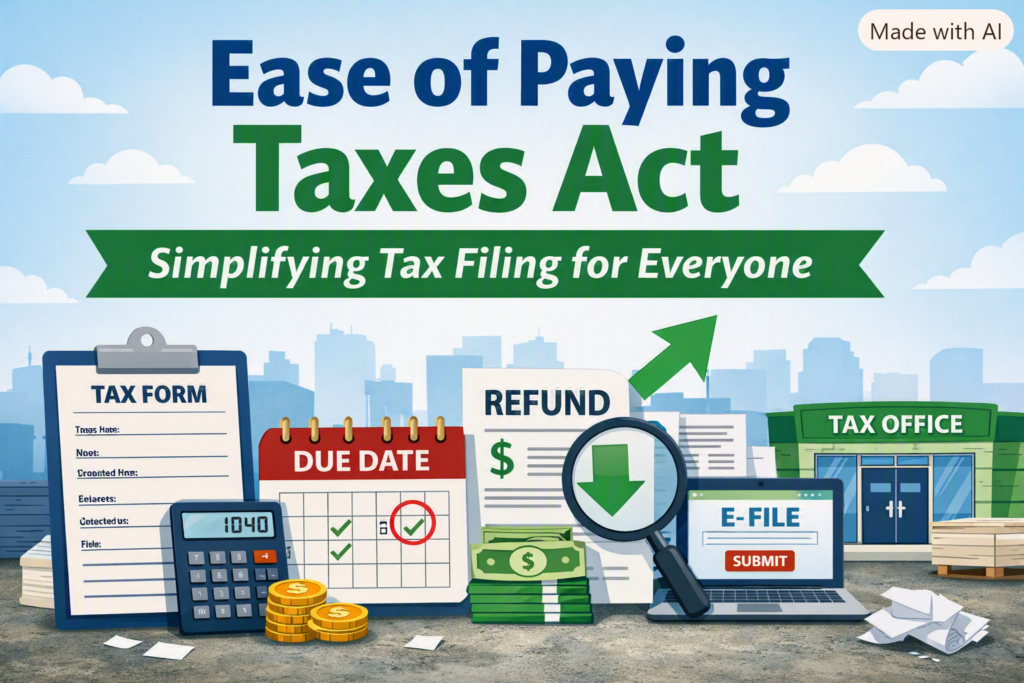
Under the Ease of Paying Taxes Act (Republic Act 11976) and its implementing rules, the invoice is the primary document evidencing a sale — for goods and for services alike. The official receipt is no longer required. You may still issue one, but only as a supplementary document, a proof of payment. It is not the record of the sale.
That single change reaches further than it looks. It means service businesses that had always issued official receipts — clinics, consultancies, repair shops, schools, contractors — now need invoices, registered and printed against an Authority to Print.
What has to be on the document
- The word INVOICE clearly printed on the face of the form — not “Official Receipt”, not “Billing Statement”.
- Your registered business name, TIN and business address.
- A statement of your VAT registration status — a VAT Invoice or a Non-VAT Invoice.
- Serial numbering, the date, the description and the amount.
- The buyer’s name, address and TIN once the sale goes above the amount set in the regulations for VAT sales — your accountant will tell you which of your transactions cross it.
Business style is no longer required information. Small mercy, but a real one.
Your old official receipts
During the transition the BIR allowed unused, pre-printed official receipts to be converted — struck through and restamped as invoices — subject to notifying your RDO within the deadlines set at the time. Those transition windows have closed. If your booklets were never converted and never registered, treat them as what they are: paper. Order invoices.
What happens if you issue the wrong document
This is the part business owners underestimate. The BIR has been explicit: issuing an official receipt, collection receipt, billing statement or statement of account in place of an invoice is not a paperwork slip. It is treated as failure to issue an invoice at all — the same offence, with the same exposure to fine and imprisonment under the Tax Code.
The practical consequences stack up:
- Penalties on you. Failure to issue a registered invoice carries a fine and possible imprisonment, and the amounts rise with repeat findings. Establishments have also been closed under the BIR’s Oplan Kandado programme for invoicing violations.
- Penalties on your customer. A buyer who holds only a supplementary document cannot use it to support input VAT. Corporate clients know this — which is why they will stop buying from a supplier who cannot issue a proper invoice.
- Unregistered forms. Printing invoices without a valid Authority to Print is a separate violation, for the business and for the printer. This is why an accredited press asks for your ATP before it prints a single serial number.
What to do this week
- Pull out the form you currently issue and read the heading. If it does not say INVOICE, you have work to do.
- Check your Certificate of Registration and your latest ATP against the form you are actually handing customers.
- Count your remaining booklets and your monthly burn rate, so your next print run is ordered before you run dry — an ATP application is not a same-day errand.
- Ask your accountant to confirm your VAT status and which invoice type you should be printing.
Where we come in
McLaren Printing Press is a BIR-accredited printing establishment. We print registered VAT and Non-VAT invoices, delivery receipts, collection receipts and continuous forms, and we take clients through the Authority to Print application from documentation to approval — so the forms you receive are the forms you are allowed to issue.
Send us your specification for an estimate, or ask our assistant on this site what documents your ATP application needs.
This note is general information on printing and documentary requirements, not tax advice. Rules and thresholds are amended periodically — please confirm your specific situation with your accountant or the BIR.
Next step
Need this printed, or an ATP prepared?
Get an indicative estimate in a minute, or ask us your compliance question directly.
Read next